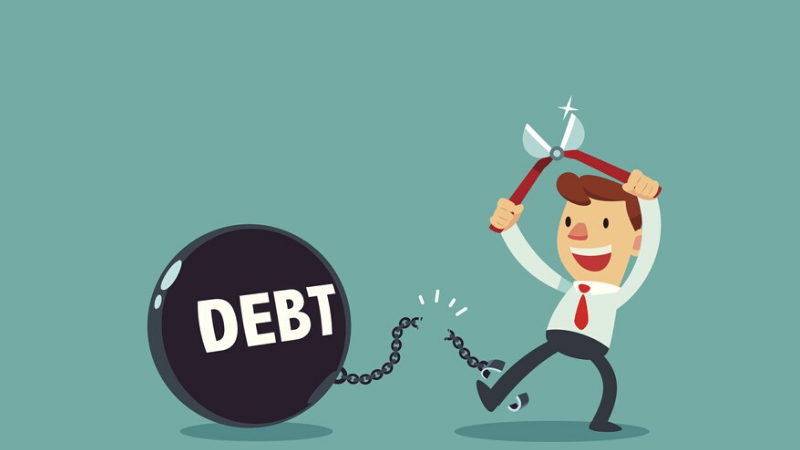
5 Smart Ways to Pay Off Debt Faster Without Making More Money.
One of those things that can catch you off guard is debt. A credit card swipe here and an emergency loan there are just the beginnings, and before you realize it, you’re drowning in numbers that keep rising. The fact that the standard counsel usually appears to begin with “make more money” only makes it worse.
Yes, it would be beneficial to have additional income. However, what if that isn’t now an option? What happens if you’re already overburdened with rent, bills, and possibly even a family and don’t have time for a side business?
Click to get a consultation
The good news is that you can still pay off debt more quickly without earning additional income.
5 Smart Ways to Pay Off Debt Faster Without Making More Money
Working smarter with what you currently have is more important than working harder. I’ll show you five straightforward, doable tactics in this post that have helped actual individuals, like me, reduce debt even in times of financial hardship.
Rework Your Budget by Paying More Attention to Debt
Your budget must reflect your sincere desire to pay off debt more quickly. Most people set aside money each month for necessities like food, transportation, bills, and rent, and then look at what’s left over for debt. However, that strategy leaves debt repayment up to chance.
Turn the page.
Begin by making your minimum debt payments, and then add a predetermined amount, even if it’s only an additional $20 or $50. Include that in your list of “essential expenses.” The remainder of your budget is then constructed around it.
The trick is that debt repayment ceases to be discretionary when you prioritize it and make it a non-negotiable part of your plan. You’ll be shocked at how effortlessly your lifestyle can adapt to that change.
You may be surprised to see how much money you may save by cutting back on non-essentials like daily snacks, unneeded subscriptions, and impulsive purchases.
Employ the Avalanche or Debt Snowball Method (Select One and Make a Commitment).
Two well-liked methods for dealing with numerous debts are:
Debt Snowball: Sort your debts according to their total amounts. Make minimum payments on the remaining ones and concentrate on paying off the smallest one first. Proceed to the next one when the smallest has been paid off.
Debt Avalanche: Sort your debts from highest to lowest in terms of interest rates. Go down the list after concentrating on the one that has the most interest.
Both are effective, but you have to choose one and stick with it.
Since it provided me with emotional victories, I personally employed the snowball method. I felt like I had momentum and was inspired to keep going after paying off even a little loan.
Consistency is crucial. Focused, consistent action is all you need—no additional money. You’ll get momentum over time.
Make Your Payments Automatically (and Round Up)
Automating my repayments was one of the best choices I made when I was paying off my loans. also helped you avoid late fees, which can subtly hinder your progress, and also relieved the mental strain of remembering deadlines.
To take it a step further, round up your payments.
Assume that your monthly minimum loan payment is $173. Round to the nearest $180 or $190. That small additional amount may not seem like much, but over time, it lowers the overall amount of interest you will pay by accelerating the principal’s erosion.
Rounding up plus automation equals unseen progress. The difference will be visible in your debt balance even though you won’t immediately notice it in your pocketbook.
Temporarily Stop Investing in Non-Urgent Objectives
It hurts a little to say this, but it’s important.
Press pause if you’re investing in stocks, saving for a trip, or purchasing items “just because they’re on sale.” Just until your high-interest debt is under control, not forever.
Why? Due to the fact that debt is like a leak in your yacht. You are fighting against yourself if you continue to lose money on interest each month, regardless of how hard you save, invest, or earn.
In order to pay off my credit card, I had to postpone updating my phone, cancel two streaming services for a year, and freeze my gym membership. Was it enjoyable? Absolutely not. Was it required? Of course.
You will have greater financial flexibility to return to those activities with less guilt and more peace of mind once your debt has been paid off or drastically reduced.
Redirect Any “Found” Funds Right Away
The golden rule is to pay off your debt first with any unforeseen funds.
A birthday present? Refund of taxes? Cashback incentive? Refund for an order that was canceled? A bonus for your job? You can use that “found money” as a covert weapon.
For most of us, these windfalls are like treats. But utilize them purposefully if you want to pay off your debt more quickly. I once received a little refund of roughly $60 from an unpaid utility payment. In a normal situation, I would have gone out to eat dinner. However, I applied it to my debt that month, cutting a whole month off my payments schedule.
The premise is that you will pay less interest the faster you can pay down your balance. When you are considering the long run, every arbitrary $20 or $100 matters.
The mindset is more important than the quantity.
Waiting for a windfall or double your income is not the solution to debt repayment. It involves focusing, maintaining consistency, and making tiny, wise decisions every day.
And I understand that having a large debt load may be debilitating. You may even ask yourself, “What’s the point? It will take ages. In actuality, though, you’re making progress each time you decide to make a small increase in your payment, forego a non-essential item, or avoid taking out another loan.
Being wealthy is not a prerequisite for paying off debt. All you have to do is refuse to stop and begin where you are, with what you have.
The independence is worth it.


