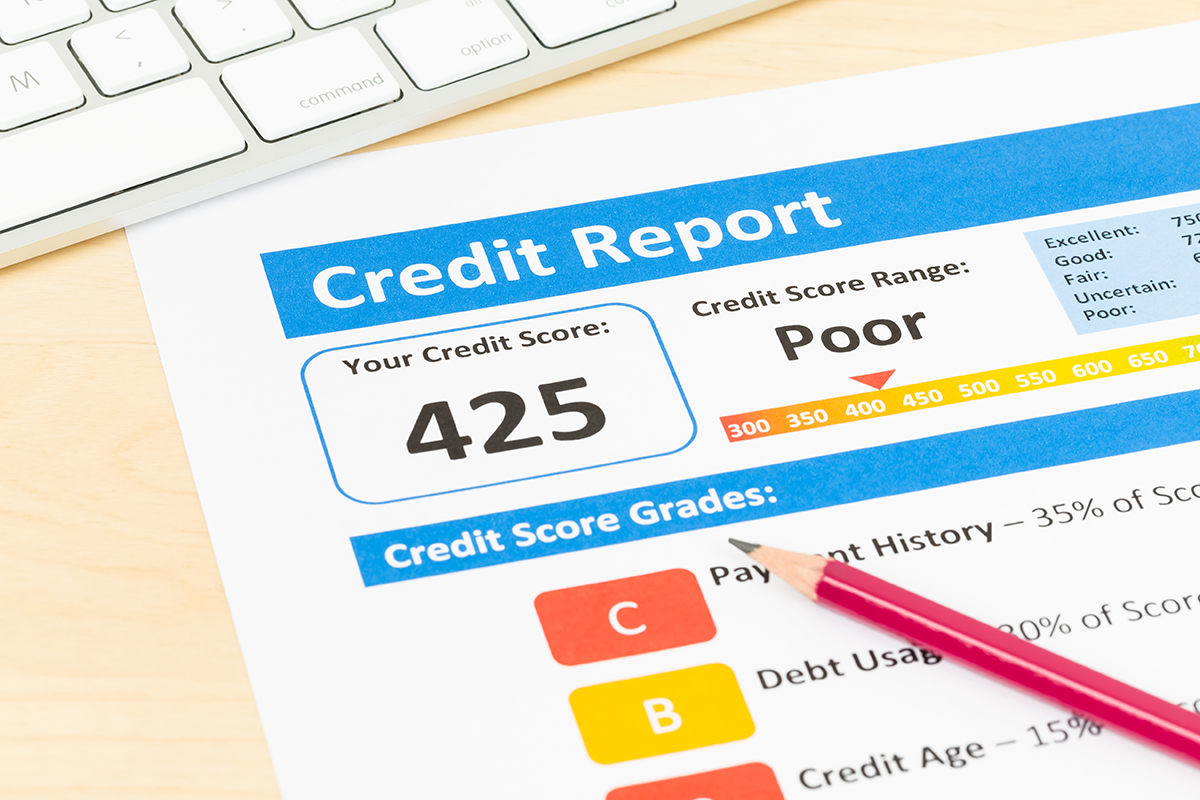
How Late Payments Affect Your Credit Score and How to Recover?
Let’s discuss a topic that may seem insignificant at the time, but it might have long-term effects: late payments.
Everybody has been there. A deadline was missed by you. It’s possible that your pay arrived late. Perhaps you simply forgot. It’s easy to think, “It’s just a few days late,” when life becomes chaotic. Not a huge thing, is it?
Indeed, it can have a significant impact, particularly on your credit score.
Consult a financial expert today
Your financial reputation is similar to your credit score. Lenders, renters, and occasionally even employers use it to gauge your financial dependability. Additionally, it may take months or even years for your credit score to recover from a single late payment, particularly if it is more than 30 days past due.
How Late Payments Affect Your Credit Score and How to Recover
But let’s carefully break this down before we get ahead of ourselves.
What Qualifies as a Late Payment?
When a payment is past the due date, it is deemed “late.” However, credit bureaus take time to report it. Before assessing a late fee, the majority of lenders offer a brief grace period, often a few days. However, the credit bureaus usually receive a record about your payment once it is thirty days past due.
The true issue begins at that point.
The following categories apply to late payments:
- 30 days after the deadline
- 60 days after the deadline
- 90+ days past due
Your report will appear worse the longer the delay.
What is the impact of a single late payment on your credit score?
Your current score will determine this. One late payment could lower your score by 90 to 110 points if you have a good credit history and a high score. That’s sufficient to change something from “good” to “fair” or even “poor.” Aww.
The reduction may not be as severe if your credit is already in poor condition, but it still stings.
Payment history is a major factor in credit scoring models such as FICO or VantageScore. Actually, 35% of your credit score is based on your payment history. That outweighs all other considerations.
Therefore, one missed deadline does matter. And a few? They have the power to ruin your score.
The Significance of Late Payments
Consider it this way: lenders are interested on one thing: will you repay your debt?
Late payments give the impression that you may not be trustworthy. One 30-day late flag will still appear even if you have previously made 20 on-time payments. Additionally, it persists for up to seven years.
Yes, you read correctly. Seven years.
That equates to seven years of increased interest rates, denied loan applications, or getting approval with co-signers.
What Takes Place Following a Late Payment?
This is a general timetable of what usually occurs:
- You have officially missed a payment on the first day after the due date. There is now no harm to your credit score, although you can be assessed a late fee.
- Day 30: According to credit bureaus, it is now formally “late.” It may be reported by your lender and appear on your credit record.
- Days 60–90: The harm gets worse. Increased late fines, increased risk of account termination, and a greater decline in credit score.
- Day 120+: The account may enter collections at this time. That damages your credit history to an entirely new degree.
Thus… If you are already running late, what can you do?
Breathe. The good news is that there are ways to deal with late payments. Here’s how to get better and start over:
Make the payment as soon as you can.
It is preferable to make the payment as soon as possible. You may be able to avoid it being reported at all if you can resolve it before the 30-day period. Bringing the account up to date is always important, even if it has already appeared on your report.
When you accept responsibility and act promptly to correct the situation, lenders notice.
Consult your lender.
Although unpleasant, this step is essential. Some lenders are willing to have the late payment removed from your record if you have an excellent payment history and this is your first offense; this is especially true if you politely ask and explain the circumstances.
We refer to this as a “goodwill adjustment.”
Although it’s not a given, you’d be shocked at how much a courteous request can accomplish.
Configure Automatic Payments
Let’s make sure this doesn’t occur again. Even if you forget or life gets busy, automating at least the minimum payment guarantees that your accounts remain current.
Set calendar reminders a few days before to the deadline if you are unable to automate. Don’t depend on your recollection. Too occupied with life for that.
Rebuild steadily and slowly.
Although the late mark will remain on your record, it will eventually lose its effect, particularly if you continue to make your payments on schedule.
Additionally, you can:
- Rebuild your credit history by using a secured credit card.
- Don’t use more than 30% of your credit.
- Refrain from taking on more debt unless absolutely required.
The intention is to demonstrate a responsible pattern. Your score improves the longer you avoid another slip.
Keep a Regular Eye on Your Credit Report
Every year, you are entitled to one free report from each of the three major bureaus (TransUnion, Equifax, and Experian). Go over your report. Check for mistakes, duplication, and unpaid invoices.
As soon as you notice a late payment that isn’t yours, challenge it.
How Much Time Does It Take to Get Your Score Back?
Although there is no precise formula, the following is a general idea:
- Small late payment (30 days): If everything else is in order, your score may improve in 6–12 months.
- Major delinquencies (60+ days): Recovering completely may take 1-2 years.
Consistency is crucial once more. Do not lose heart. Rebuilding trust is similar to fixing your credit; it takes time, but the effort is worthwhile.
Concluding Remarks
Although they are not irreversible, late payments can seriously lower your credit score. The secret is to act quickly, accept responsibility for your error, and establish a more reliable payment schedule moving ahead.
Don’t be too hard on yourself if you’ve already made a mistake. Life occurs. How you react and how you take charge of your finances going forward are what count.
There is more to your credit score than just a number. It reflects the way you handle money. What’s the good news? It is possible to alter habits.


