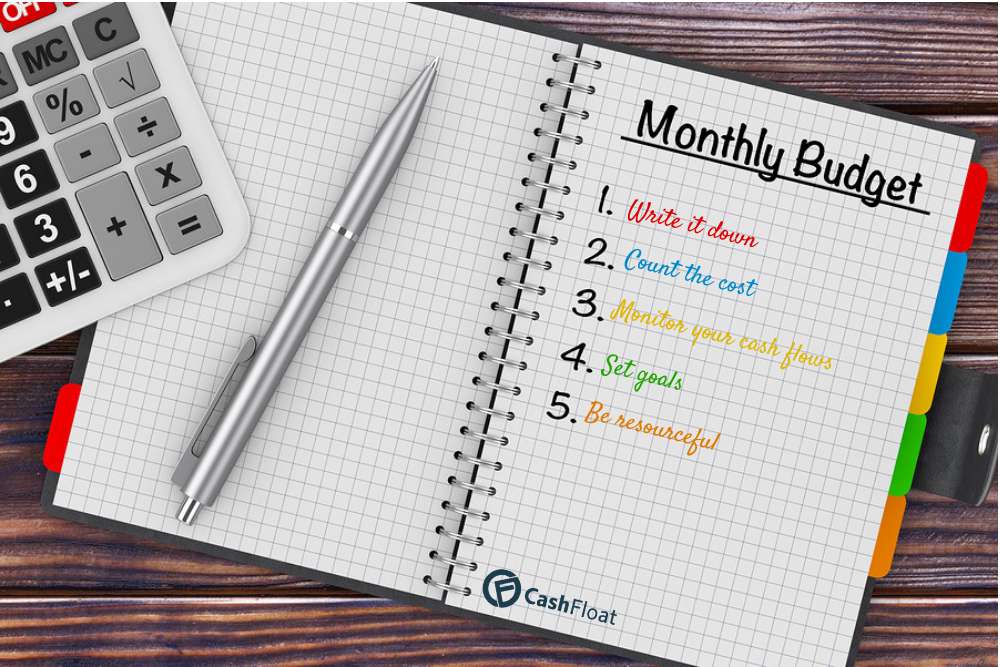
How to Create a Realistic Monthly Budget Even on a Low Income?
To be honest, budgeting seems like something that responsible individuals should just “figure out.” Telling your money where to go, however, can feel like dividing a single loaf of bread to feed a crowd when you’re living on a limited salary.
I am all too familiar with that feeling. It’s difficult to get through the month without going overboard when your income is limited and unforeseen expenses keep showing up like unwanted guests. The fact is, however, that a budget isn’t about limitations. It has to do with freedom. It’s about gaining confidence that you are in charge, not the other way around, and finally understanding where your money is going.
Get a financial quote today
I’m here to inform you that you can budget if you’ve ever told yourself, “I can’t because I don’t earn enough.” Furthermore, it need not be flawless. It just has to be realistic.
How to Create a Realistic Monthly Budget Even on a Low Income
Here’s how to make a realistic monthly budget even if you’re short on funds.
Take on Your Income Head-On
Know exactly how much money you make each month before you do anything else. This is your actual take-home pay after taxes, not what you think you’ll make or what’s shown on your paycheck.
To reach a working figure, average the last three months if you operate as a freelancer, take on side jobs, or have a variable income.
Making educated guesses won’t help you create a sound budget. Every choice you make from this point on will be based on your money.
Keep Track of Every Expense
Although it may hurt, this step is essential. Examine your bank statement from the previous month. Where did you spend your money?
Divide it up into groups such as:
- Housing or rent
- The utilities
- Food and Supplies
- Payments for transportation debt
- Memberships
- Data/airtime
- unforeseen events (such as the fast food run you claimed was a “one-time treat”).
Be brutally truthful. Don’t hide. No excuses. Just the facts.
The amount of money you spend on little items may surprise you. The majority of leaks occur on the little, “harmless” expenses that mount up over time.
Make a list of your necessities first.
Priorities are crucial when funds are scarce. Making sure your fundamentals are covered without falling behind is the aim, not giving up enjoyment forever.
The “four walls” to concentrate on are as follows:
- Food: You must consume food.
- Shelter: utilities and rent.
- How you get to work or earn money is known as transportation.
- Basic bills: phone, water, and electricity.
Debt, savings, and discretionary expenditure follow. Essentials should always come first in your budget, not the other way around.
Give a Job to Every Dollar
It’s called zero-based budgeting, and it can change your life.
The idea is straightforward: Every dollar you make should have a purpose, whether it be saving, purchasing food, or covering rent. Your income less your expenses should equal zero at the end.
Spending all of your money is not the goal. Giving everything a purpose will ensure that nothing “disappears” without your knowledge.
What’s left over after paying $400 for rent, $250 for groceries, $150 for transportation, $50 for data, and $100 for savings on a $1,200 income? What happens to it? Every quantity ought to be deliberate.
Create a Safety Net for Unexpected Events
Attempt to save aside money for emergencies even when finances are tight. If you’re not prepared, a flat tire, a damaged phone, or an unexpected medical expenditure might ruin your entire month.
Begin modestly. Over time, even $10 or $20 saved consistently adds up. Think of it as your “Oh no!” fund. It’s simply clever; it’s not exciting.
Be Ruthless About Unnecessary Expenses
This one is difficult, I know. The last thing you want is to feel deprived. However, something has to give when you’re working with a limited budget.
Consider this:
- Is this streaming subscription really necessary?
- Is it possible to cook more rather than get takeout?
- Does that weekly “treat” make me feel better or does it just make me feel worse?
Eliminating waste is about allowing yourself some breathing room, not about punishing yourself.
And it adds up, I promise.
The cash envelope method (or its digital equivalent) should be used.
The cash envelope technique is an effective strategy for preventing excessive spending. You physically divide the money into envelopes or specific digital accounts once you know how much you have set aside for items like groceries or transportation.
The month will end when the funds in that envelope are depleted.
It keeps you responsible and helps you stay out of the “just this once” spending trap.
Monitor Every Day or Every Week (Not Just Every Month)
Making a budget and then forgetting about it until the end of the month is one of the biggest mistakes people make.
That would be equivalent to establishing fitness objectives without ever using a scale.
Check in once a week, or even every day. Use a basic notebook, a budgeting program, or even a phone note app.
You’ll identify problems sooner and address them before they become a crisis if you track more frequently.
Include a Guilt-Free Spending Category
Yes, even with a modest salary. You need space to breathe.
Establish a modest, guilt-free spending limit for the things that make you happy. Anything that makes you feel alive, whether it’s coffee, reading, or a little excursion.
Why? Because you won’t stick to a budget that you detest. Let yourself live—within reason.
Evaluate and Modify Every Month
Things change in life. Your budget should, too.
Review the successes and failures at the conclusion of each month. Did you undervalue the cost of groceries? Have you neglected to factor in school fees? It’s alright. Make adjustments and try again.
No two budgets are the same. It’s personal. And it’s constantly changing.
Concluding Remarks
Being financially responsible doesn’t require having a lot of money. Clarity, consistency, and the drive to keep trying—even when it feels difficult—are all you need.
Saying “no” to everything isn’t the only way to create a monthly budget on a low salary. It’s about creating a financial life that works for you and saying “yes” to what really counts.
Begin now. Don’t wait for the next paycheck, the ideal time, or the ideal income. Simply begin—where you are, with what you have.
Because you deserve peace of mind. And the first step in that direction is creating a budget.


