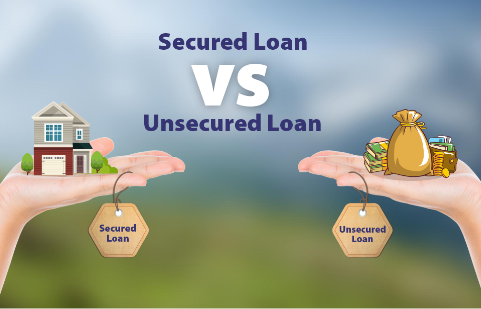
Key Differences Between Secured and Unsecured Loans.
Let’s discuss a topic that most people overlook when taking out a loan: the distinction between secured and unsecured loans.
Now, if you’re like most individuals, the only things you likely consider when searching for a loan are the ease of the repayment terms and the speed at which you may obtain the funds. I understand that you need money quickly. Your entire borrowing experience, however, can be influenced by the kind of loan you select—secured or unsecured. It has an impact on your interest rate, the amount of risk you face, and even your first approval prospects.
Get a secured loan today
This has nothing to do with financial jargon. This is a serious conversation about your finances, credit, and mental health.
Key Differences Between Secured and Unsecured Loans
Let’s dissect it in a manner that genuinely makes sense.
A Secured Loan: What Is It?
Collateral is something of value that you own and are prepared to risk in order to secure a secured loan. That might be your savings, property, vehicle, or anything else the lender will allow.
The lender assumes less risk since they have your asset as a security blanket. This increases the likelihood that they will accept your loan and possibly provide longer payback terms or reduced interest rates.
The worst part is that they have the legal authority to take anything you pledge as collateral if you don’t pay. No haggling. For them, that is the cost of reduced risk.
Typical instances of secured loans are as follows:
- mortgage loans that are backed by the actual house
- Auto loans that are backed by the vehicle
- secured personal loans, which may be connected to investments, savings accounts, etc.
Unsecured loans: what are they?
Conversely, no collateral is needed for an unsecured loan. No assets need to be pledged. To determine whether to lend to you, the lender merely considers your income, creditworthiness, and financial history.
Unsecured loans typically include higher interest rates and more stringent qualifying conditions since the lender assumes greater risk (no assets to fall back on if you are unable to make payments).
Among the examples are:
- Individual loans
- Student loans
- Credit cards
Although they are not advised, payday loans are included in this category.
Important Distinctions You Should Consider
Let’s get past terminology and focus on what really counts.
Collateral
The most noticeable distinction is this.
- Collateral is required for a secured loan.
- Collateral is not needed for an unsecured loan.
Why it matters: Because secured loans have lower interest rates, they might be worthwhile if you have valuable property and are sure of your capacity to pay it back. But reconsider if you can’t bear the danger of losing your asset.
Danger to the Debtor
- Secured loans: In the event of a default, you could forfeit your property.
- Unsecured loans: Your credit will suffer significantly, but you won’t lose any tangible assets.
Why it’s important Not only is it inconvenient, but losing a home or an automobile may be traumatic. Although unsecured loans could appear “safer” in that sense, there is a real risk of harm to your credit and future borrowing ability.
Criteria for Approval
- Even with mediocre credit, secured loans are easier to get approved for if you have good collateral.
- Unsecured loans: Generally speaking, approval requires a solid credit history and consistent income.
Why it matters: A secured loan can be your best option if your credit score is low. Just before you give up your property, make sure you are positive regarding repayment.
Rates of Interest
Because they pose less risk to the lender, secured loans typically have lower interest rates.
In order to compensate for the lender’s risk, unsecured loans typically carry higher interest rates.
Why it’s important Over the course of the loan, lower rates can save you hundreds or even thousands of dollars. However, there is a significant “what if” associated with those reduced rates: what if you are unable to pay?
Loan Terms and Amounts
- Longer loan durations and higher loan amounts are frequently possible with secured loans.
- Unsecured loans typically have lesser sums and shorter payback schedules.
Why it matters: A secured loan can be your only choice if you require a sizable sum of money, whether for a substantial investment, a car, or a home. Short-term needs are usually better served by unsecured loans.
Impact on Credit Score
Both kinds of loans have the potential to raise or lower your credit score.
- Paying on schedule? In any case, you will gain credit.
- Do you default or miss a payment? Whereas an unsecured loan may end in collections and legal action, a secured loan may result in foreclosure or repossession.
Why it matters: You are always followed by your credit report. Responsible loan management is crucial, regardless of the type of loan you select. Avoid taking on more than you are capable of managing.
Which Loan Is Best for You, Then?
The truthful response is that it depends.
If you need a lot of money, want to pay off your debt quickly, and are sure you can make your payments on schedule, go for a secured loan. Just be aware of the consequences if things go wrong.
If you have no assets to pledge or don’t feel comfortable risking them, go for an unsecured loan. Only take out loans that you can afford to pay back without going overboard, and be prepared for increased interest rates.
Considerations Prior to Borrowing
Prior to obtaining any type of loan, whether secured or unsecured, consider the following:
- Do I really need this loan at this moment?
- For what purpose am I spending the funds?
- Is it feasible for me to make the monthly payments?
- For the duration of the loan, how steady is my income?
- Have I compared rates, repayment plans, and lenders?
Getting out of debt on your own terms without compromising your financial future or peace of mind is the aim, not merely getting accepted.
Concluding Remarks
Both secured and unsecured loans ultimately have a use. Understanding the trade-offs, being truthful with yourself about your financial situation, and selecting the course of action that best suits your life—not just your immediate needs—are crucial.
Avoid borrowing because it’s simple. Because it’s required, borrow. Additionally, when you do, be sure of what you’re getting into. Although uncontrolled debt, whether secured or unsecured, might cost you far more than you anticipated, debt isn’t always a negative thing.
Go slowly. Pose inquiries. Examine the fine print. Then take action.
It will be appreciated by your future self.


