Understanding What Credit Scores Are and How to Improve Yours Fast.
I can still clearly recall when I first heard the phrase “credit score.” It came up during a discussion regarding financing and getting a new apartment authorized. At the time, I simply nodded and smiled without saying anything, but to be honest, I had no idea what it meant. And if I’m being honest, it took me a while to really grasp how important it is.
You’re not alone if you’re wondering what a credit score is, why it matters, and how to raise it fast. This is the instruction I wish someone had given me when I first began out, regardless of whether you’re just beginning out financially or are attempting to recover from some difficult circumstances.
Consult an expert today
Let’s take a direct and intimate look at this.
Understanding What Credit Scores Are and How to Improve Yours Fast
A Credit Score: What Is It?
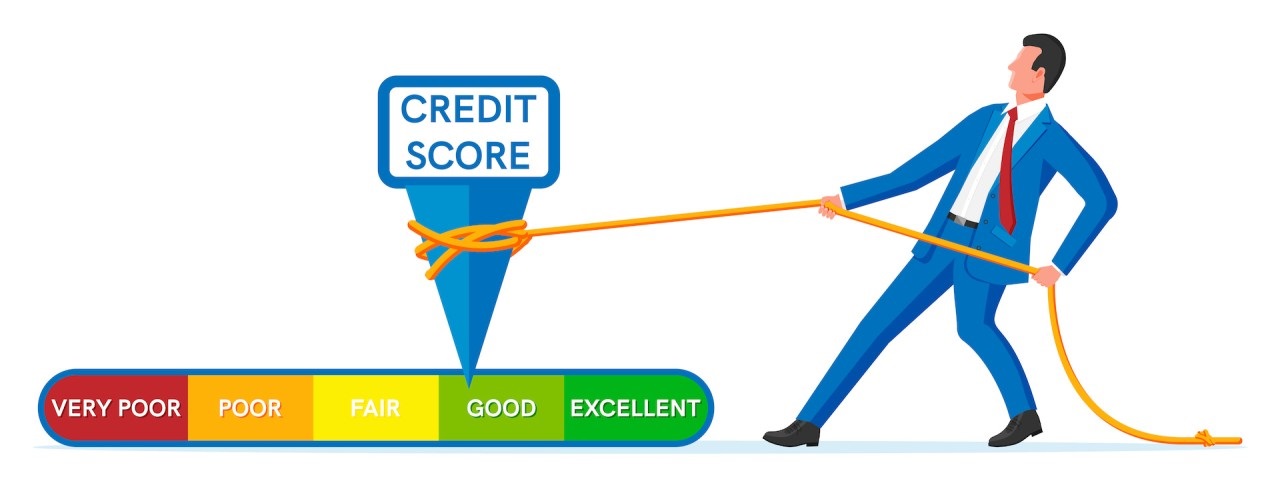
Simply said, a credit score is a figure that indicates to lenders your level of financial reliability. It’s a three-digit summary of your borrowing and repayment patterns, as well as whether you follow through on your promises regarding the use of borrowed money.
Consider it comparable to a financial reputation. Lenders use your credit history to determine your creditworthiness, much like people do depending on your behavior.
The data in your credit report, which includes details like your debt load, timely bill payment history, and length of credit use, is used to calculate your credit score, which normally ranges from 300 to 850.
The better, the higher your score.
What’s the point of caring?
You may be surprised to learn how important your credit score is. It has an impact on much more than just your credit card prospects.
What it influences is as follows:
- Loan approvals include mortgages, auto loans, personal loans, and more.
- Interest rates: Lower rates translate into less money lost to interest when a score is higher.
- Applications for rentals: In order to determine whether you are a dependable tenant, landlords look up your credit.
- Employment screening: To assess your level of responsibility, several employers run credit checks.
- Phone and utility plans: Higher deposits or outright denials may result from bad credit.
Simply put, whether you’re trying to make ends meet or planning a major life transition, your credit score follows you.
Which Elements Go Into Your Credit Score?
You must first understand the factors that influence your score if you wish to raise it. The breakdown is as follows:
- The most crucial component is the payment history (35%). Do you pay your bills on time? That’s what lenders want to know. Your score might be destroyed by a single missed or late payment.
- The percentage of your available credit that you are using is known as your credit utilization (30%). Using $900 out of a $1,000 credit limit is 90% utilization, which is much too high. Experts advise avoiding over 30%.
- Credit History Length (15%): It’s preferable to have credit accounts open and in good standing for a longer period of time. Trust develops over time.
- Credit Mix (10%): Possessing a range of credit types, such as student loans, auto loans, and credit cards, demonstrates your ability to manage a range of obligations.
- New Credit Inquiries (10%): A hard inquiry is done each time you apply for new credit. If you do too many in a short period of time, you may appear dangerous.
How to Raise Your Credit Score Quickly
I get it—you’re probably not looking for a long-term, slow-burn strategy. Your goal is to raise your credit score as soon as possible. You can begin doing the following today:
Always pay your bills on time.
More than anything else, late payments lower your credit score. To prevent missing deadlines, set up calendar reminders or automatic payments. Missed phone payments or energy bills can also infiltrate your credit record.
Advice: Give your lender a call if you’re behind. Many provide extensions or hardship programs that won’t lower your score.
Cut Down on the Use of Credit
You’re giving lenders the wrong impression if you’re maxing out your credit cards. Try not to utilize more than 30% of your credit limit.
For instance, maintain your debt below $600 if your credit limit is $2,000. Within a month or two, paying off even a portion of your debt will significantly raise your credit score.
Keep Old Accounts Open
The temptation to cancel that old card you don’t use may be strong, but doing so can lengthen your credit history and increase your utilization ratio. Unless there are significant expenses associated with older accounts, keep them open.
Dispute Errors on Your Credit Report
Errors occur; accounts that are not yours, duplicate debts, or incorrect late payments may appear on your report. Examine your credit report from the major credit bureaus and dispute any erroneous information.
Step to take: Every year, you are entitled to a free credit report from each of the main credit bureaus. Make use of it.
Request an Increase in Your Credit Limit
Ask your credit card issuer for a higher limit if your income has increased or if you’ve had a card for a long time. Don’t spend more, though. The objective is to increase your accessible credit in order to reduce your credit use.
Get Permitted to Use
Request that a close friend or family member with excellent credit enroll you as an authorized user on their credit card. Their good payment history can raise your score even if you don’t use the card.
Make Use of Credit-Building Resources
Try secured credit cards or credit builder loans if you have no prior credit history. They are especially made to assist those who pose little risk to lenders in establishing or repairing credit.
What’s the Time Frame for Results?
When you take continuous action, such as lowering your credit utilization or fixing inaccuracies on your credit report, you can notice results in as short as 30 to 60 days.
However, more time is needed for more significant adjustments, such as repairing past-due payments or establishing a longer credit history. The important thing is to continue. Patience and consistency are rewarded by credit scores.
Steer clear of quick fix scams.
People who promise to “clean your credit” overnight for a price are giving out a lot of erroneous information. The majority of these are frauds.
Paying someone to repair your credit is not necessary. You can do anything they offer for free on your own. It takes patience and careful, small measures to improve your credit, not quick fixes.
Treat yourself with kindness.
You haven’t failed if your credit score isn’t where you want it to be at the moment. We have to understand how credit works the hard way because many individuals were never educated. What you do now is what counts.
Your credit score is subject to change. As your habits change, so does it. You start to restore that financial reputation as soon as you take charge of your finances by making on-time payments, managing your spending, and keeping yourself informed.
Begin now. You’re capable.


